

In Florida, windows and doors are your home’s first line of defense in a hurricane. A broken window lets wind and rain in, and pressure inside the house can damage the roof. Hurricane windows and doors are designed to resist windborne debris and stay in place, but not all products or installations are equal. This guide covers what to look for, from product approvals and ratings to installation and insurance.
Why Impact Ratings Matter in Florida
The Florida Building Code requires protection for openings in windborne debris regions, either impact-rated products or approved shutters. The strictest standards apply in the High-Velocity Hurricane Zone, which covers Miami-Dade and Broward counties. The Florida Building Commission [1] maintains the code and product approval system.
What to Look for in Impact Windows and Doors

Product Approval
Choose products with Florida Product Approval or, in the High-Velocity Hurricane Zone, a Miami-Dade Notice of Acceptance. Approval numbers can be checked online and should match the exact product and size you are buying.
Design Pressure Rating
Design pressure, or DP, shows how much wind pressure a window or door can handle. The required rating depends on your home’s location, height and exposure, and on where the opening sits in the wall. Your contractor should confirm the required values for each opening.
Impact Testing
Impact products are tested by firing missiles, such as a piece of lumber, at the glass, then applying pressure cycles. Lower openings closer to the ground generally face larger-missile requirements.
Laminated Glass
Impact glass is laminated: layers of glass bonded to a tough interlayer. If the glass breaks, it stays in the frame instead of opening the house to wind. Insulated laminated units add energy efficiency.
Frame Material
Aluminum frames are strong and common in coastal homes; vinyl frames insulate well. Both can perform when properly rated. Consider corrosion resistance near salt water.
Choosing Impact Doors
Entry doors, sliding glass doors, and garage doors all need protection. Large sliders are especially vulnerable, and garage doors are often the largest opening in the house. Check that each door has the right approval and rating. Our article on hurricane doors explains why they matter.
Installation Is as Important as the Product
Impact windows and doors only perform as tested when installed exactly as the product approval specifies, with the correct anchors, spacing, and sealing. Most replacement projects require a permit and inspection. Common errors include wrong fasteners, poor waterproofing, and mismatched sizes; see our guide to installation errors.
Energy, Noise and Security Benefits
Beyond storms, laminated glass reduces outside noise, blocks much ultraviolet light and makes forced entry harder. Many impact products also carry energy ratings; ENERGY STAR [2] explains what to look for in hot climates.
Insurance and Wind Mitigation Credits

Florida insurers are required to offer discounts for qualifying wind mitigation features, and opening protection is one of them. A wind mitigation inspection documents your features. The Florida Office of Insurance Regulation oversees how these credits are applied. State programs that help fund home hardening open and close over time, so check current availability before you plan around one.
Budgeting for a Project
Cost depends on the number and size of openings, frame material, glass type, design pressure required and installation complexity. Many homeowners phase the work, starting with the most exposed or vulnerable openings, such as large sliders and windows facing open water. Get itemized quotes so you can compare products and installation separately.
Impact Windows vs Shutters
Shutters are less expensive upfront but must be put up before each storm. Impact windows and doors provide protection all the time with no setup. Our comparison covers the trade-offs.
Maintenance and Lifespan
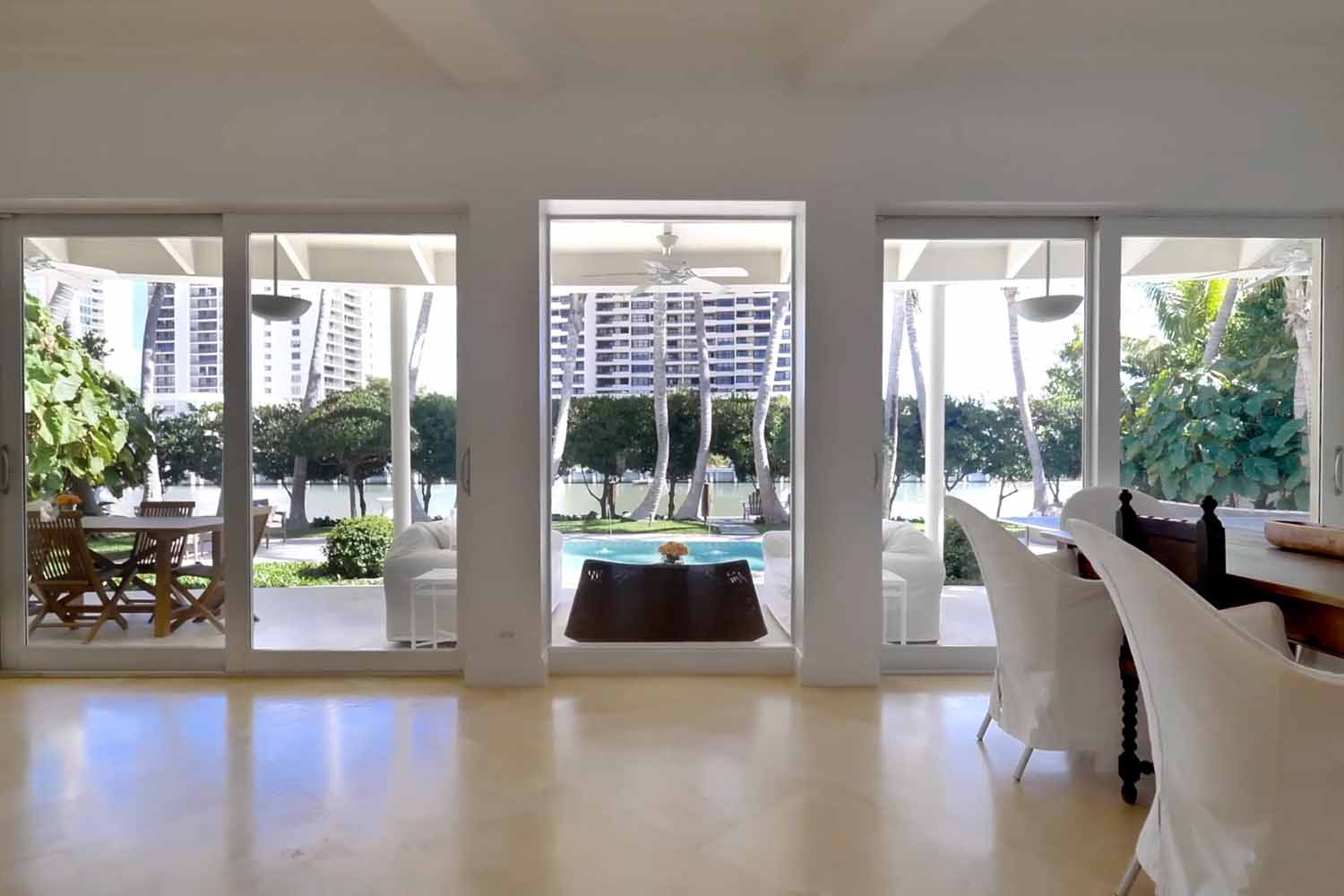
Impact windows and doors need little care, but tracks, rollers, seals and hardware should be cleaned and checked, especially near salt air. Keeping weep holes clear helps water drain properly. Good maintenance protects both performance and warranty coverage.
Questions to Ask Your Contractor
- What product approval numbers apply to each window and door?
- What design pressure is required for each opening, and does the product meet it?
- Who pulls the permit and schedules inspections?
- What warranty covers the product and the installation?
- How will you protect the home and clean up during installation?
Working With Matos Contracting
Matos Contracting provides consultation, installation, repair, and maintenance for impact windows and doors, as part of its wider renovation services or Request an assessment. For ongoing care, see our maintenance tips. For storm readiness, also follow forecasts from the National Hurricane Center [3].
FAQs
Are impact windows and doors required in Florida?
In windborne debris regions, openings must be protected by impact-rated products or approved shutters. Requirements depend on location.
What is a design pressure rating?
A measure of how much wind pressure a window or door can withstand. Required values depend on your home and each opening.
Can impact glass break?
Yes, but laminated glass is designed to stay in the frame and keep the opening closed.
Do impact windows lower insurance costs?
They can qualify for wind mitigation credits. Ask your insurer and get a wind mitigation inspection.
Do I need a permit?
Most window and door replacements in Florida require a permit and inspection.