Choosing between luxury vinyl flooring and traditional hardwood is one of the most common renovation decisions for busy family homes. Both look great; both have real trade-offs. This guide compares durability, cost, style, water resistance, and installation to help you pick the right flooring for the specific demands of your household.
What Luxury Vinyl Flooring Actually Is
Luxury vinyl plank (LVP) and luxury vinyl tile (LVT) use multiple layers: a wear layer, a printed design layer, a core (often WPC or SPC composite), and a backing layer. The technology has advanced dramatically in the past decade, producing floors that look convincingly like real wood or stone at a fraction of the cost.
What Hardwood Flooring Actually Is
Solid hardwood is milled from a single piece of wood (oak, maple, walnut, hickory, etc.). Engineered hardwood uses a real wood top layer bonded to plywood or composite core. Both provide the authentic appearance and feel of real wood.
Durability Comparison
Scratches and Dents
LVP wins on scratch resistance. The wear layer resists pet claws, furniture movement, and dropped objects far better than hardwood. Hardwood shows scratches and dents readily; many owners consider this character.
Water Resistance
LVP is essentially waterproof. Spills wipe up without damage. Bathrooms, kitchens, and basements suit LVP better than hardwood. Hardwood cannot handle standing water; even brief exposure causes warping and cupping.
Long-Term Aging
Hardwood ages beautifully over decades, developing character and patina. LVP looks roughly the same at year 10 as year 1. Neither is objectively better; the aesthetic preference is personal.
Cost Comparison
Materials
LVP runs $2-$8 per square foot for material. Mid-range hardwood runs $5-$15 per square foot. Premium hardwood (exotic species, wide planks) runs $10-$30+.
Installation
LVP: $1-$3 per square foot professional installation. DIY installation possible. Hardwood: $4-$10 per square foot professional installation. DIY is more difficult.
Total Cost
LVP installed: $3-$11 per square foot. Hardwood installed: $9-$25+ per square foot. Meaningful cost difference for larger installations.
Style Options
LVP
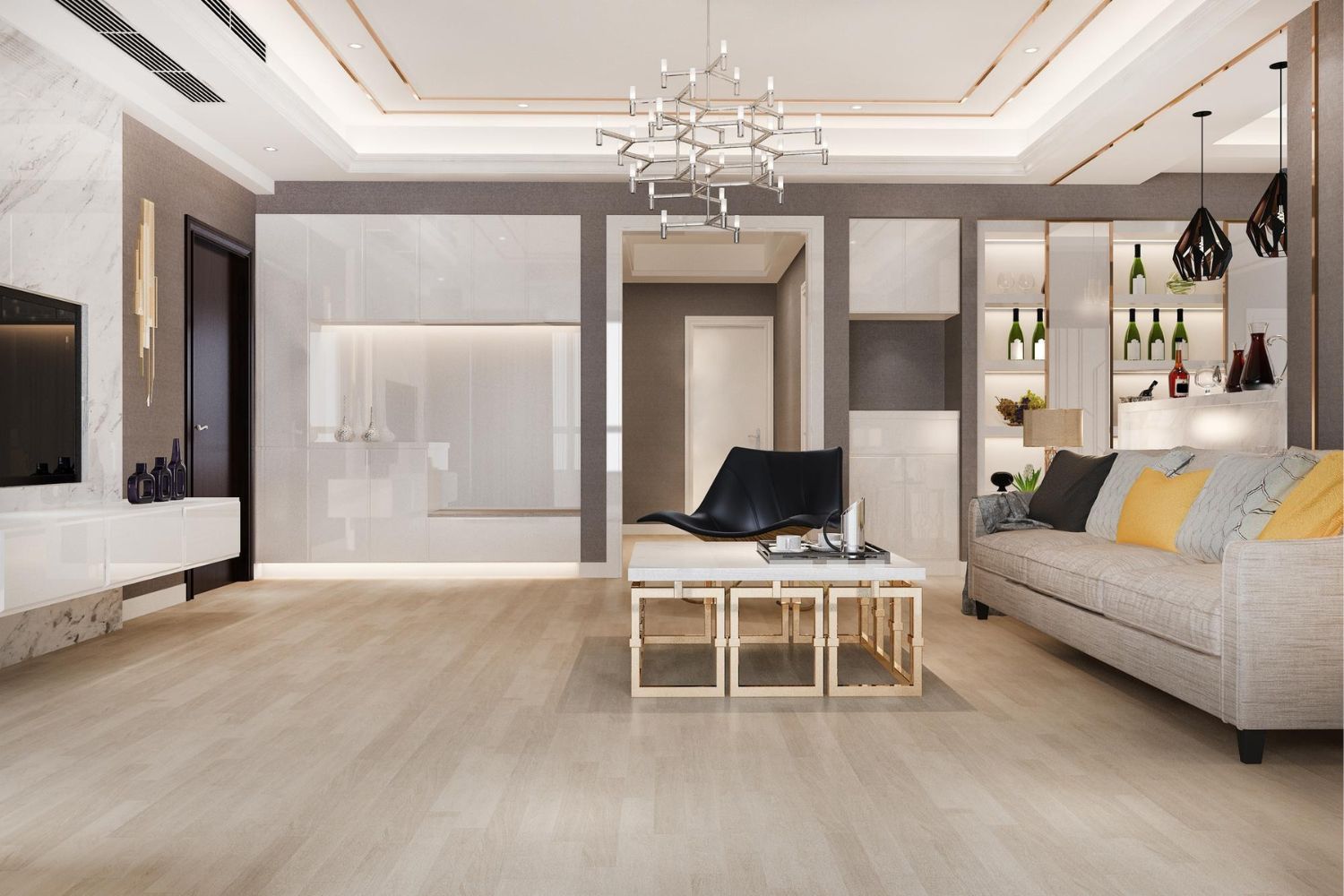
Broad range of wood-look, stone-look, and pattern options. Photorealistic printing produces convincing wood appearances. Options for narrow to wide planks, various colours, and various textures.
Hardwood
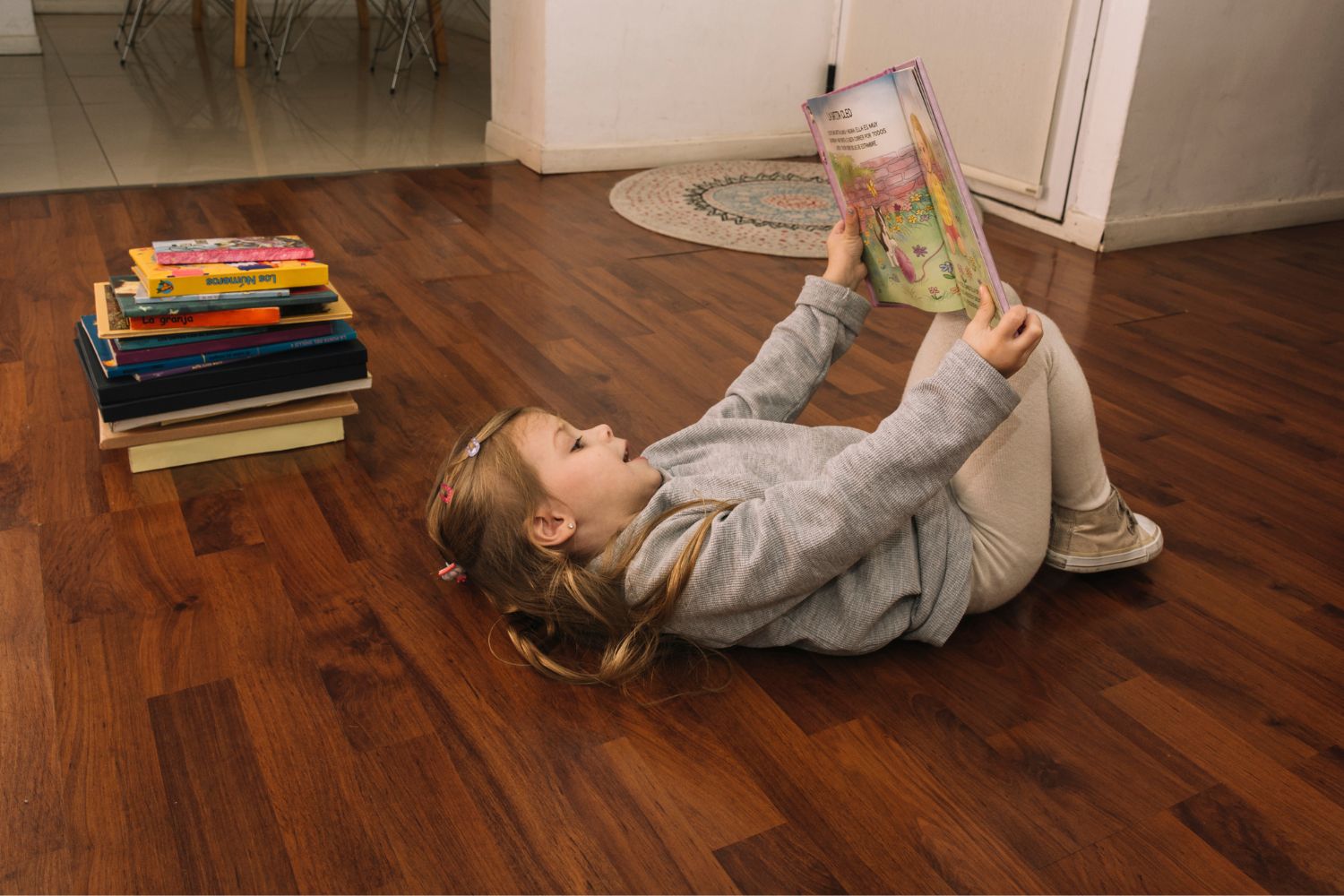
The authentic wood appearance. Various species, cuts, and stains. Each plank is unique. Real texture and grain. Design flexibility depending on finish.
Installation Complexity
LVP
Click-lock LVP is genuinely DIY-friendly. Floats over the subfloor without nails or glue. Cuts easily with a utility knife or saw. Most DIYers can install a room on a weekend.
Hardwood
Requires nailing or glueing to the subfloor. Cutting requires table saw or mitre saw. Acclimation to room humidity for days before installation. Professional installation recommended for most homeowners.
Maintenance
LVP
Sweep and damp mop as needed. No refinishing required. No special cleaners. Very low maintenance.
Hardwood
Sweep or vacuum regularly. Damp mop with hardwood-specific cleaner. Periodic refinishing (every 10-20 years depending on wear). Recoating (light refresh) more often. Higher maintenance.
Resale Value
Hardwood typically adds more to resale value than LVP. According to the National Association of Realtors, hardwood floors consistently rank as buyer-preferred features. LVP is increasingly accepted but hardwood retains premium status.
For Different Room Types
Kitchens
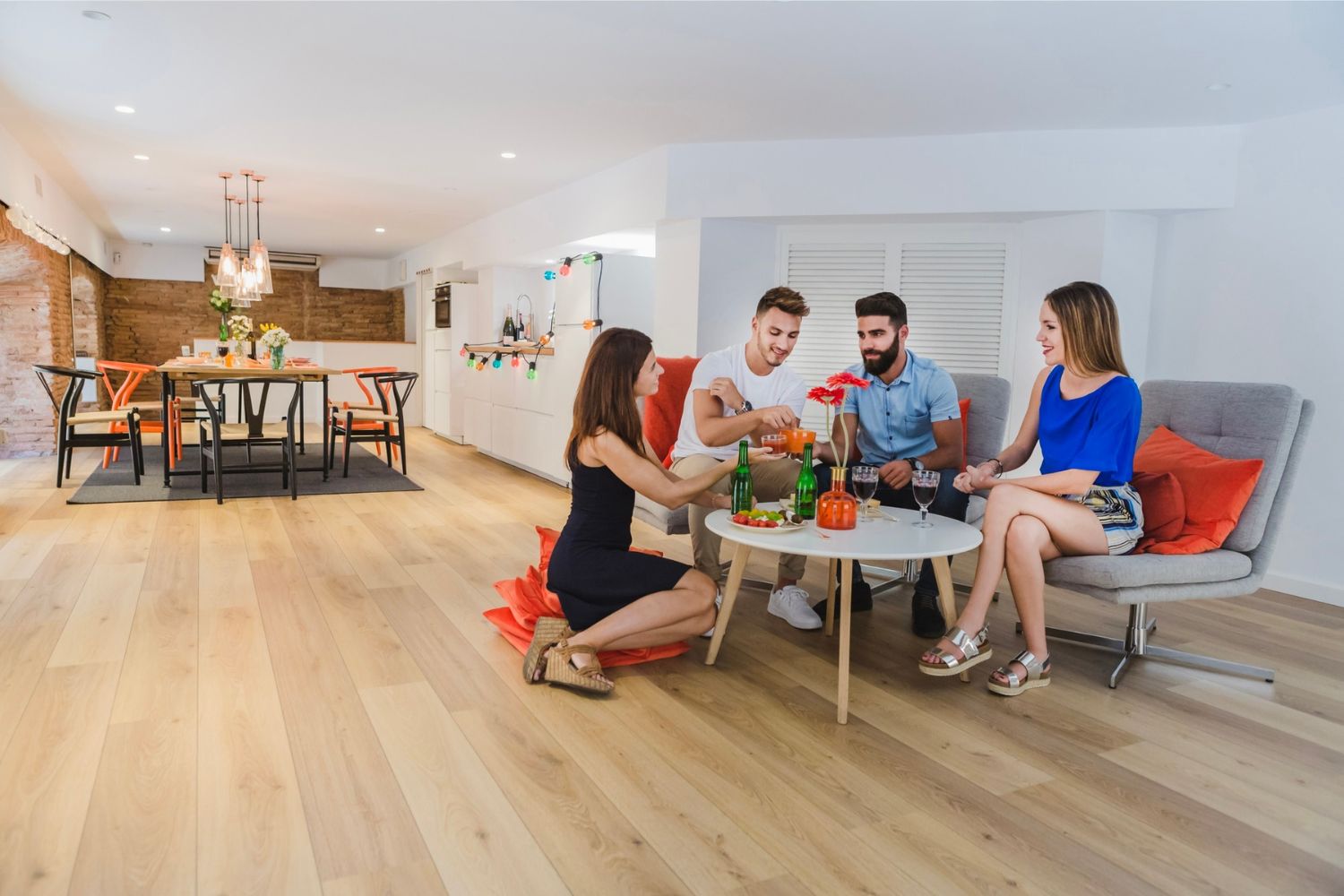
LVP wins. Water resistance and easy cleanup suit kitchen demands. Hardwood can be installed but requires vigilant water management.
Bathrooms
LVP essentially exclusively. Hardwood in bathrooms causes problems within years.
Bedrooms
Both work well. Hardwood’s warmth appeals to many. LVP works especially well in kids’ rooms.
Living Rooms and Main Living Areas
Both work. Hardwood traditional; LVP practical for high-traffic households with pets and kids.
Basements
LVP strongly preferred due to moisture concerns. Hardwood is generally not recommended below grade.
For Pet-Owning Households
LVP dominates for pet households. Scratches, accidents, and general pet activity affect LVP minimally. Hardwood shows every scratch and stain from pet accidents. The cost of repairing/refinishing hardwood damage adds up.
For Family Households with Young Children
LVP forgiving for spills, food drops, and general activity. Hardwood ages immediately with child-related wear. If long-term perfection matters to you, LVP or waiting until kids are older suits better.
For Multi-Generational Households
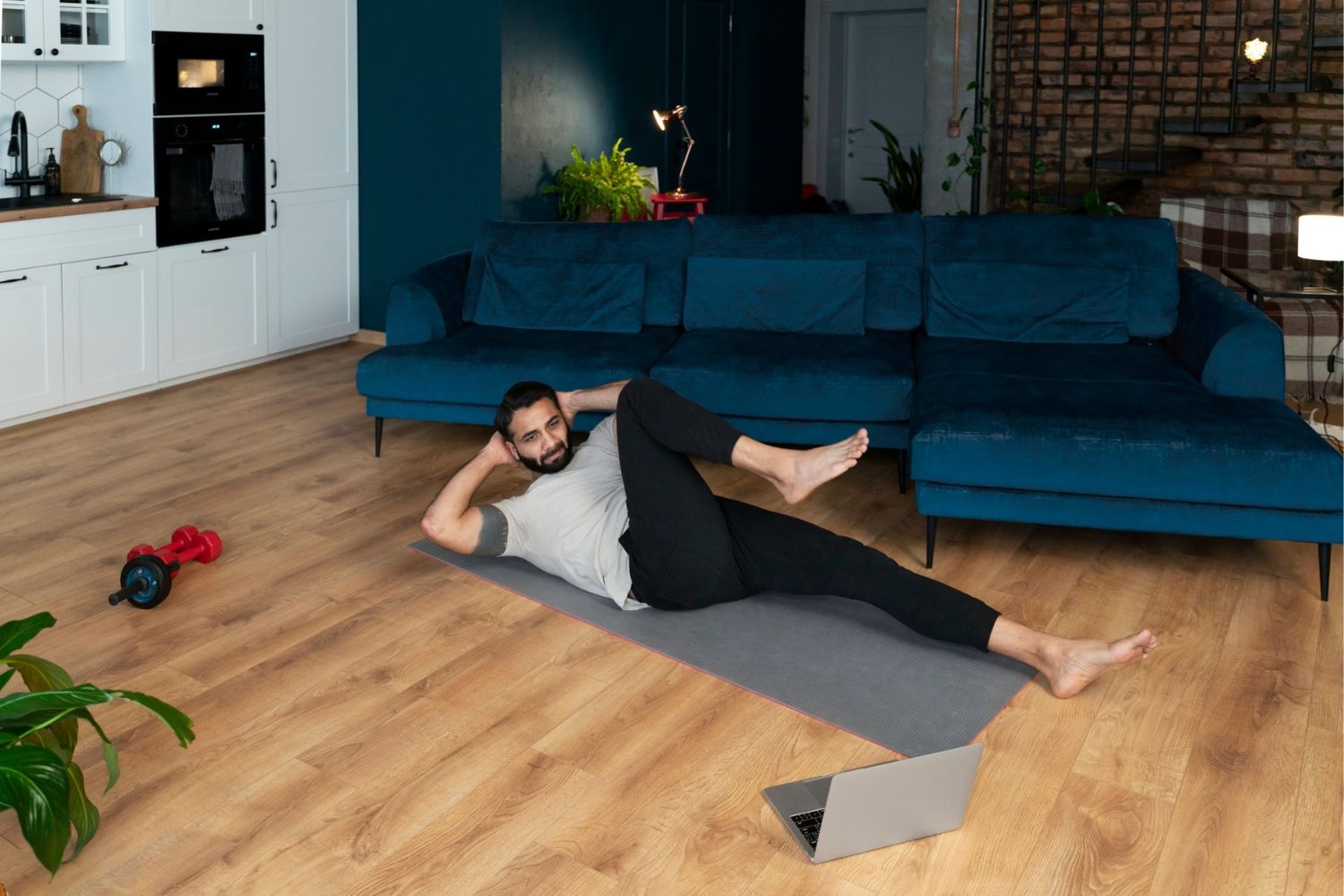
Consider aging-in-place. LVP softer under foot; hardwood harder. Neither is cushioned; area rugs help. Grip characteristics matter for elderly household members.
Environmental Considerations
LVP
PVC-based. Manufacturing has an environmental impact. Long lifespan reduces waste. Look for products with low VOCs and third-party certifications.
Hardwood
Natural material. Look for FSC-certified sustainably harvested wood. Longer lifespan than most flooring. Refinishable rather than replaceable at end of life.
Climate Considerations
Hardwood expands and contracts with humidity changes. Requires acclimation and expansion gaps at installation. LVP is more dimensionally stable. In extreme climate zones (very dry or very humid), LVP is more forgiving.
Warranty Comparison
LVP: 15-30 year residential warranties common. Hardwood: 25-50 year residential warranties. Both warranties cover manufacturer defects, not normal wear.
Installation with Matos Contracting
Matos Contracting handles both LVP and hardwood installation for Florida projects. Choice between options depends on your specific room, household, and preferences.
When Hardwood Wins
Traditional homes where authentic wood matters. Long-term ownership where refinishing delivers value over years. Rooms with low moisture and moderate wear. Households prioritising authentic natural materials.
When Luxury Vinyl Flooring Wins
Busy family households with pets or young children. Moisture-prone rooms (kitchens, bathrooms, basements). Budget-conscious projects. Rental properties. Households prioritising low maintenance.
Hybrid Approach
Many households use both. Hardwood in formal living rooms and bedrooms; LVP in kitchens, bathrooms, and basements. This delivers the best of both approaches. Transitions between materials require care in design and installation.
The Long-Term Perspective
Hardwood lasts 50+ years with refinishing. LVP lasts 15-30 years without refinishing. Total cost of ownership over decades can favour hardwood; upfront cost favours LVP. The right choice depends on the planning horizon.
FAQs
Is vinyl flooring cheaper than hardwood?
Yes. Meaningfully so. Installed LVP typically costs 1/3 to 1/2 of installed hardwood.
Does vinyl flooring look real?
Modern LVP looks convincingly like wood or stone. Close inspection may reveal it, but casual observation often does not.
Which is better for pets?
LVP. Better scratch resistance and easier cleanup for accidents.
Does LVP add value like hardwood?
Less so. Hardwood typically adds more resale value. LVP acceptance is growing.
Where can I see Matos Contracting flooring options?
Visit our website for services and consultation.