
Building a custom home is exciting, but even the most carefully planned projects can face challenges, especially when it comes to Flooring Installation. Because custom homes often involve unique layouts, premium materials, and personalized designs, flooring mistakes can be more noticeable and costly if not handled properly.
Homeowners often assume flooring issues are caused by materials alone, but in reality, improper Flooring Installation is one of the biggest reasons floors fail prematurely. At Matos Contracting, we’ve seen these problems firsthand and know exactly how professionals prevent and fix them before they turn into long-term headaches.
Understanding Why Flooring Installation Is More Complex in Custom Homes
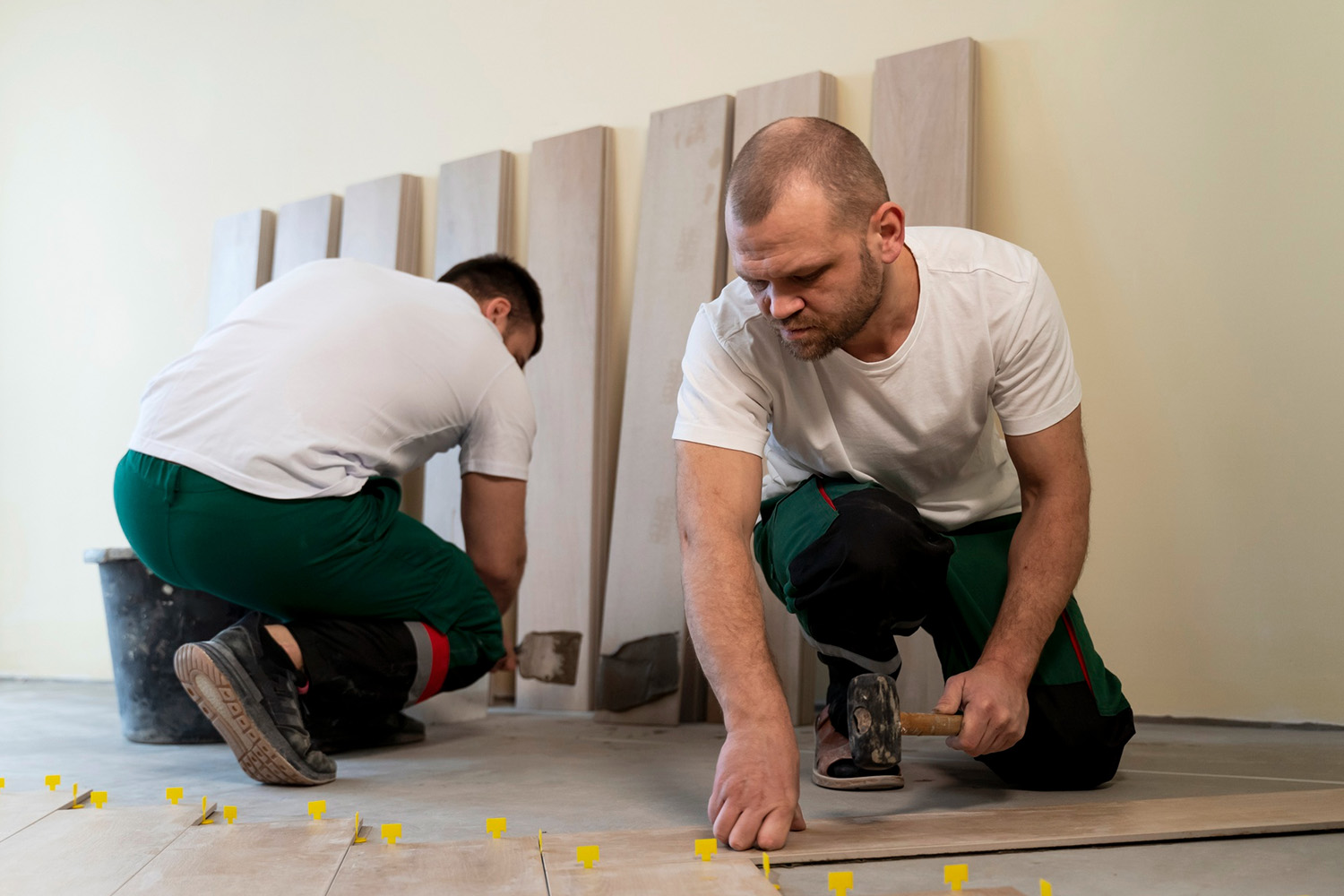
Custom homes are not “one-size-fits-all.” Unlike standard builds, they involve tailored floor plans, mixed materials, and special design features that demand precision. Flooring must adapt to architectural details, climate conditions, and lifestyle needs.
This complexity makes professional Flooring Installation essential. Below are the most common problems homeowners face and how experienced contractors solve them the right way.[1]
Uneven or Improper Subfloor Preparation
Why It Happens
In custom homes, subfloors may vary from room to room due to different structural elements. Concrete slabs may not be fully cured, or wooden subfloors may have slight dips and peaks that go unnoticed.
How Pros Fix It
Professional installers thoroughly inspect and level the subfloor before starting any Flooring Installation. At Matos Contracting, we use laser leveling tools, moisture testing, and appropriate underlayment to ensure a flat, stable base that prevents future cracks, gaps, or squeaks.
Moisture-Related Flooring Failures
Why It Happens
Moisture is one of the biggest enemies of flooring, especially in custom homes with basements, radiant heating, or large windows. Skipping moisture testing can lead to warping, mold, or adhesive failure.
How Pros Fix It
Experienced contractors always test moisture levels and install vapor barriers where needed. Whether it’s hardwood, vinyl, or tile, professional Flooring Installation includes choosing materials and adhesives designed for the home’s specific moisture conditions.
Incorrect Expansion Gaps
Why It Happens
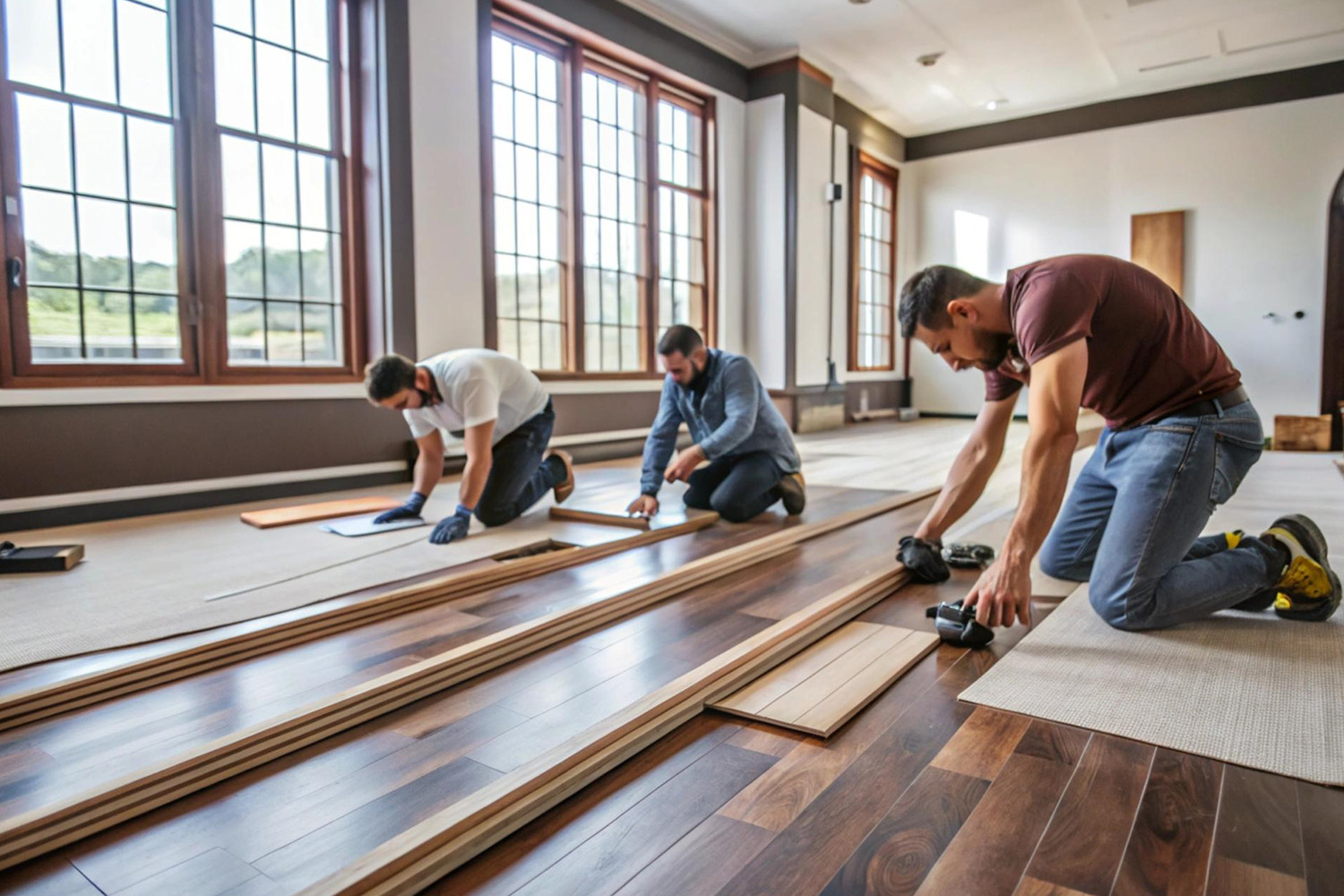
Floors naturally expand and contract with temperature and humidity changes. Many DIY or inexperienced installers leave gaps that are either too small, or forget them entirely.
How Pros Fix It
Professionals calculate proper expansion spacing based on the flooring type and room size. At Matos Contracting, we follow manufacturer guidelines precisely, ensuring floors can move naturally without buckling or separating over time.[2]
Poor Transitions Between Different Flooring Types
Why It Happens
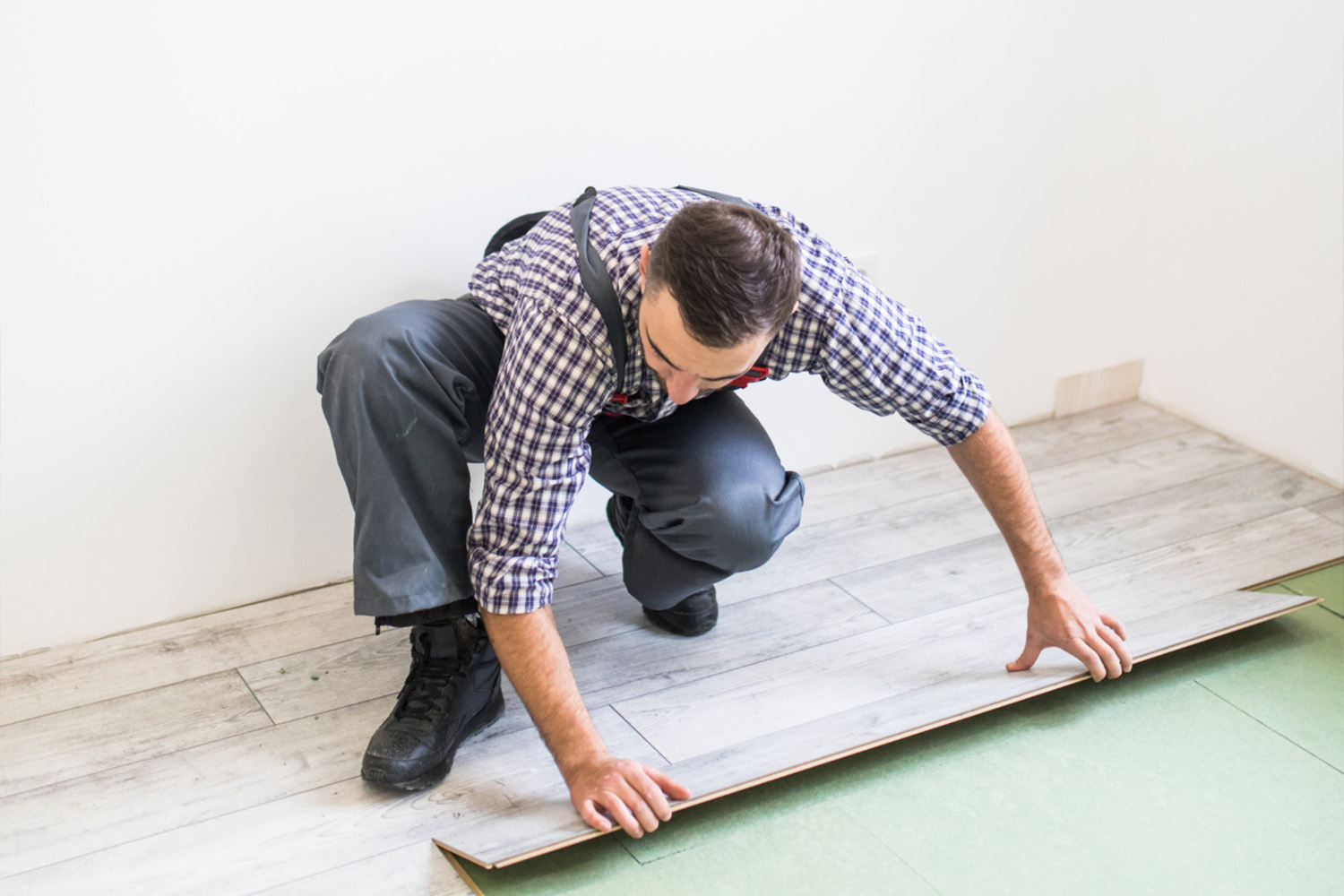
Custom homes often feature multiple flooring materials, hardwood in living areas, tile in kitchens, and carpet in bedrooms. Without proper planning, transitions can look awkward or feel uneven.
How Pros Fix It
Professional Flooring Installation includes seamless transition planning. Experts use custom thresholds, reducer strips, and height adjustments to create smooth, visually appealing transitions that enhance the home’s overall design.
Misaligned Patterns and Layout Issues
Why It Happens
Complex floor plans, large open spaces, or patterned flooring like herringbone and tile mosaics require precise alignment. Small miscalculations can throw off the entire design.
How Pros Fix It
Professionals map out the layout before installation begins, dry-fitting materials and adjusting for focal points. This attention to detail ensures symmetry and balance, something Matos Contracting prioritizes on every custom home project.[3]
Using the Wrong Adhesives or Fasteners
Why It Happens
Different flooring materials require specific adhesives or fastening systems. Using the wrong product can cause floors to loosen, squeak, or separate over time.
How Pros Fix It
Experienced installers select adhesives and fasteners based on material type, subfloor condition, and environmental factors. This expert approach to Flooring Installation ensures long-term durability and performance.
Rushed Installation Timelines
Why It Happens
Custom home projects often run on tight schedules, and flooring is sometimes rushed to meet deadlines. This can lead to skipped steps like acclimation or curing time.
How Pros Fix It
Professional contractors build realistic timelines into the project. At Matos Contracting, we allow materials to acclimate properly and adhesives to cure fully because quality Flooring Installation is never rushed.
Improper Acclimation of Flooring Materials
Why It Happens
Many flooring materials, especially hardwood and engineered wood, need time to adjust to the home’s environment. Skipping acclimation leads to expansion issues later.
How Pros Fix It
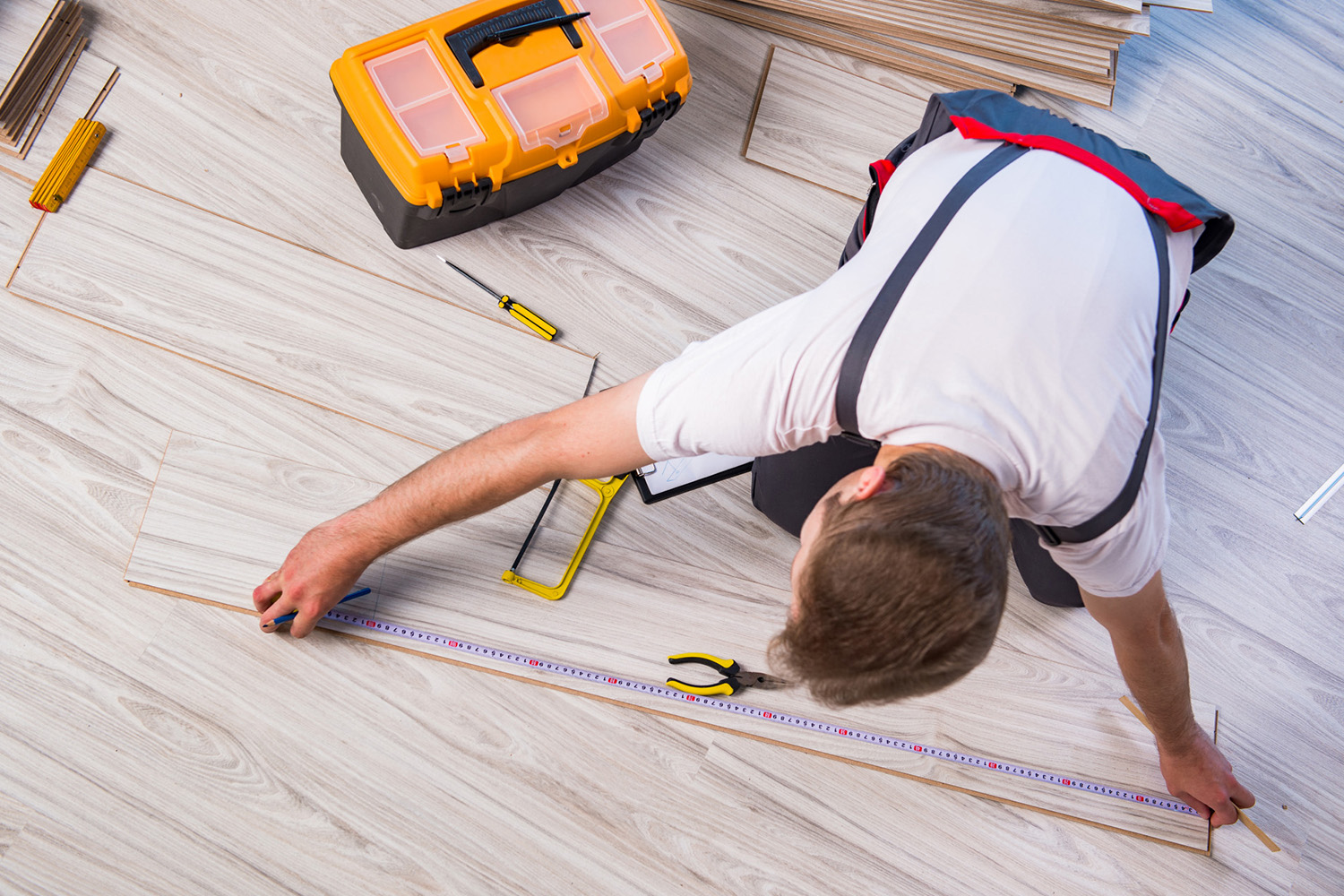
Professionals store flooring materials on-site for the recommended period before installation. This ensures the flooring adapts to temperature and humidity, reducing the risk of future movement or damage.[4]
Inadequate Attention to Room-Specific Needs
Why It Happens
Each room in a custom home serves a different purpose, yet some installers use the same approach everywhere. Bathrooms, kitchens, and entryways need specialized solutions.
How Pros Fix It
Expert Flooring Installation considers room usage, foot traffic, and exposure to water. Professionals choose the right materials and installation techniques for each space, ensuring both function and style.
Lack of Post-Installation Inspection
Why It Happens
Once the floor is down, some installers move on without a thorough inspection. Small issues can go unnoticed until they become major problems.
How Pros Fix It
Reputable companies like Matos Contracting perform detailed post-installation inspections, addressing minor adjustments immediately and ensuring the finished floor meets high-quality standards.
Conclusion
Flooring problems in custom homes are rarely about the material itself—they’re usually the result of poor planning or improper Flooring Installation. From moisture issues to layout mistakes, these problems can be expensive and frustrating if not handled correctly from the start.
By working with experienced professionals like Matos Contracting, homeowners can avoid common pitfalls and enjoy floors that are beautiful, durable, and built to last. Quality Flooring Installation isn’t just an upgrade; it’s an investment in the long-term value and comfort of your custom home.
Frequently Asked Questions (FAQs)
1. Why is Flooring Installation more challenging in custom homes?
Custom homes have unique layouts, materials, and environmental conditions that require tailored installation techniques, making professional expertise essential.
2. How long should flooring materials acclimate before installation?
Most materials need 48–72 hours on-site, but this varies by product and climate. Professionals always follow manufacturer recommendations.
3. Can uneven subfloors really damage new flooring?
Yes. Uneven subfloors can cause cracks, gaps, squeaks, and premature wear if not corrected before installation.
4. How do professionals prevent moisture-related flooring issues?
They test moisture levels, install vapor barriers, and select materials designed for the home’s specific conditions.
5. Is professional Flooring Installation worth the cost?
Absolutely. Expert installation prevents costly repairs, extends floor lifespan, and ensures a flawless finish that adds value to your home.
References:
[1]https://www.directcustomfloors.com/blog/articles/common-flooring-issues-and-how-to-fix-them
[2]https://www.wagnermeters.com/moisture-meters/wood-info/flooring-installation-problems-and-solutions/